It took the coronavirus pandemic (COVID-19) to bring America’s educational system to an abrupt halt. The nationwide teacher protests related to low salaries and working conditions did not do it. Low test scores and graduation rates did not stop us from proceeding (business as usual). Bullying and mass school gun violence across the nation only temporarily stopped the morning school bells from ringing. Surprisingly, this unbelievable public health crisis has caused one of the biggest moments in our modern world history – – a seemingly extended spring break. The world got shook!
Now that we are in the position to reflect, perhaps there is no better time for us to “Relook, Release, Rethink, Reimagine” what our post COVID-19 educational system could look like. Right now, millions of parents are finding ways to engage their children in activities to keep them safe, moving and learning. The recent school closures should not negate the fact that children must continue learning, progressing in the fundamentals of reading, writing and mathematics. There are educational resources and opportunities for parents to use with their children online and via other learning materials (games, puzzles, books, etc.). For the time being, the outdoors, even one’s own small yard, can become a science classroom laboratory allowing the young to observe and explore nature. A simple walk with a parent becomes PE class (children usually love physical education class). My point is that hopefully everyone realizes that educating one’s child need not stop with COVID-19. As I’ve stated before, parents are the first teachers. Even during this brief experience, their roles as “substitute teachers” is crucial. Parents also get the opportunity to experience the rewards and challenges of teaching.
What will our educational system look like in the future?
Our educational and healthcare systems both have attributes in common. All Americans engage and interact with them from birth through death (elementary schools, colleges, doctors visits, prescriptions, and let’s not forget taxes). They are both fundamental to the healthy formation and longevity of most modern societies. Everyone would agree that having them in our society is invaluable to its citizenry. And when broken, we all suffer as a collective. As COVID-19 has exposed, something’s been said (wrong, not working, suspicious), and it needs to get fixed quickly. COVID-19 will abate eventually… we hope. And when it does, what will change in our society, as separate yet interdependent humans, especially since the impact has become painfully obvious.
Our national educational system is on break. Some would say it was broken in many areas before now. How will we view teacher’s issues going forward? Have we been triggered enough to take a fresh look at any of our systemic patterns, trends and challenges thought to be unsolvable? Maybe we will change our minds about how best to teach children going forward so that they become free thinking, problem solving, self sufficient and collaborative humans. Will online teaching become the norm? I like inquiry-based learning as a teaching modality. Check it out for yourself. I won’t explain further … we all temporarily have more time to learn something new (adults and children alike). Let’s use our “shook-ness” (please indulge my urban euphemism for a moment) for good, making positive, measurable systemic changes. Let’s just do it!
No one can escape the effects of the coronavirus (COVID-19) pandemic. It’s really an unbelievable phenomenon! Even if you are not one to panic, it still packs a punch especially as everyone is being triggered to act now (just try going to the grocery store for toilet paper, water or other essential items). I understand the need to take action, yet I wonder to what extent we are being driven into a vibrational frequency of fear. Pause. Inhale. Breath. Exhale. Repeat. My mind keeps saying there might be something else at play here besides the health scare. What’s it trying to teach us about ourselves and the world? Is this a test or lesson?
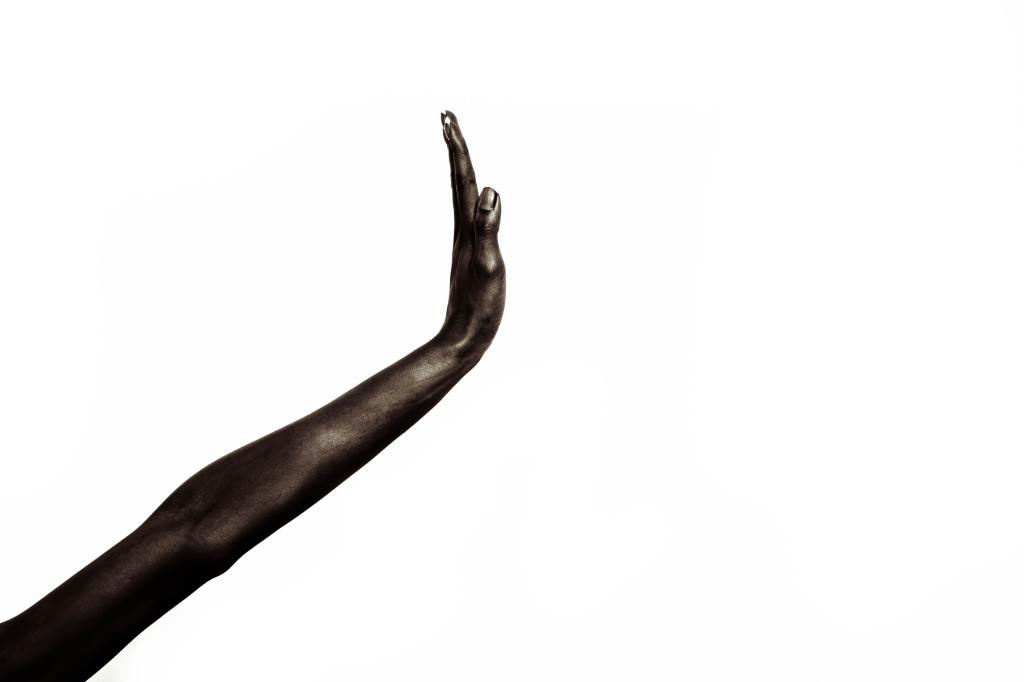
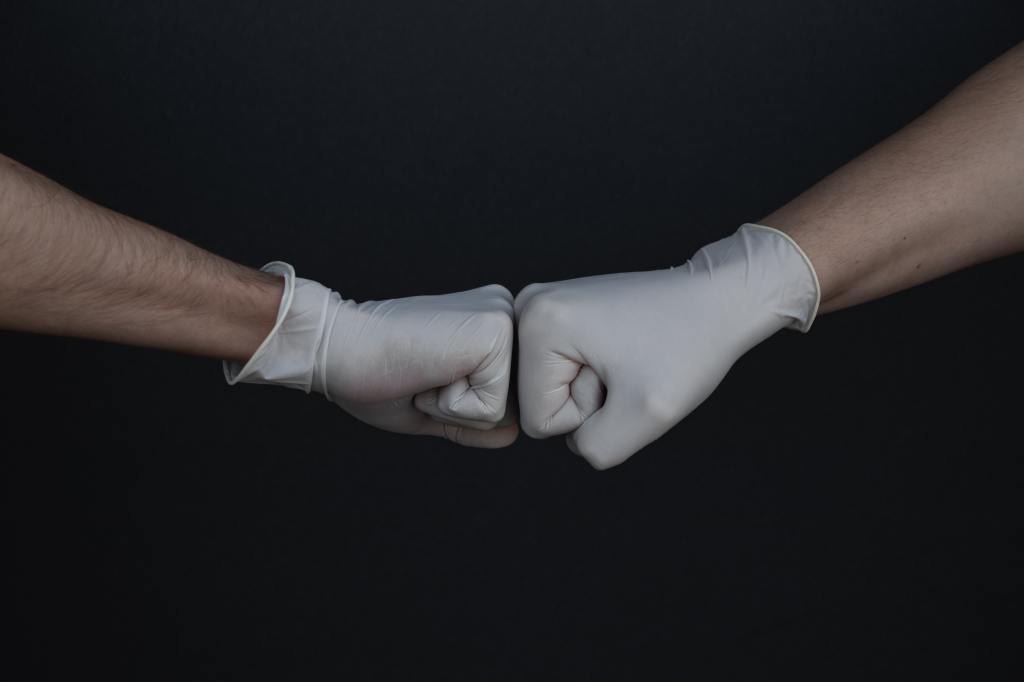
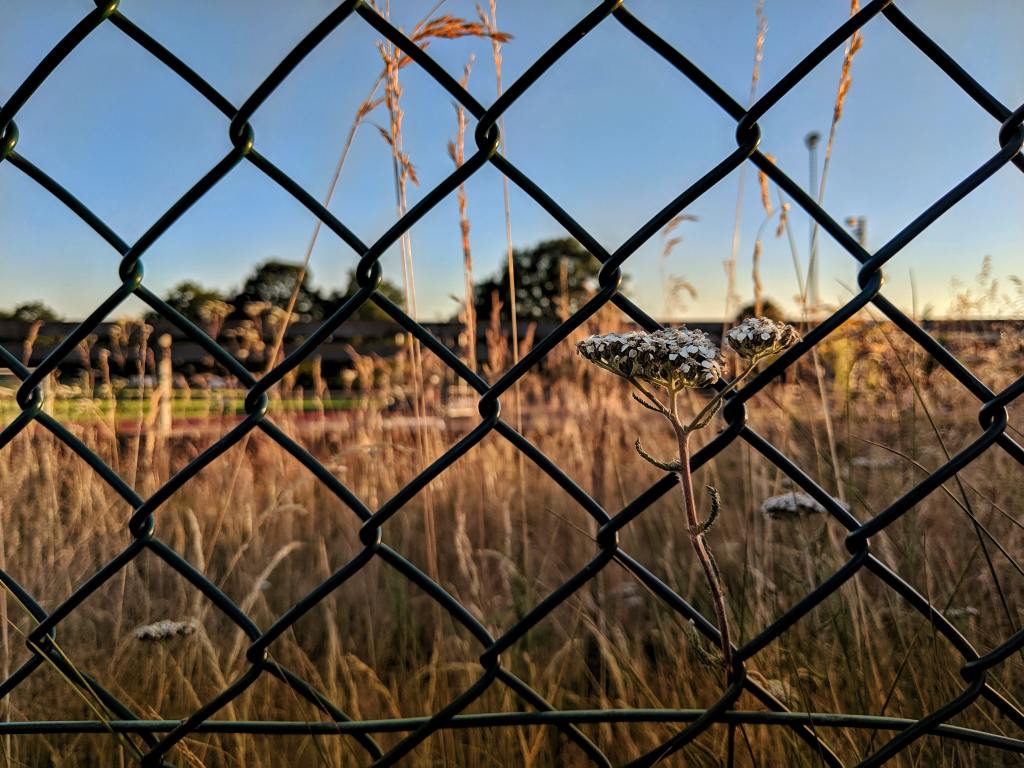
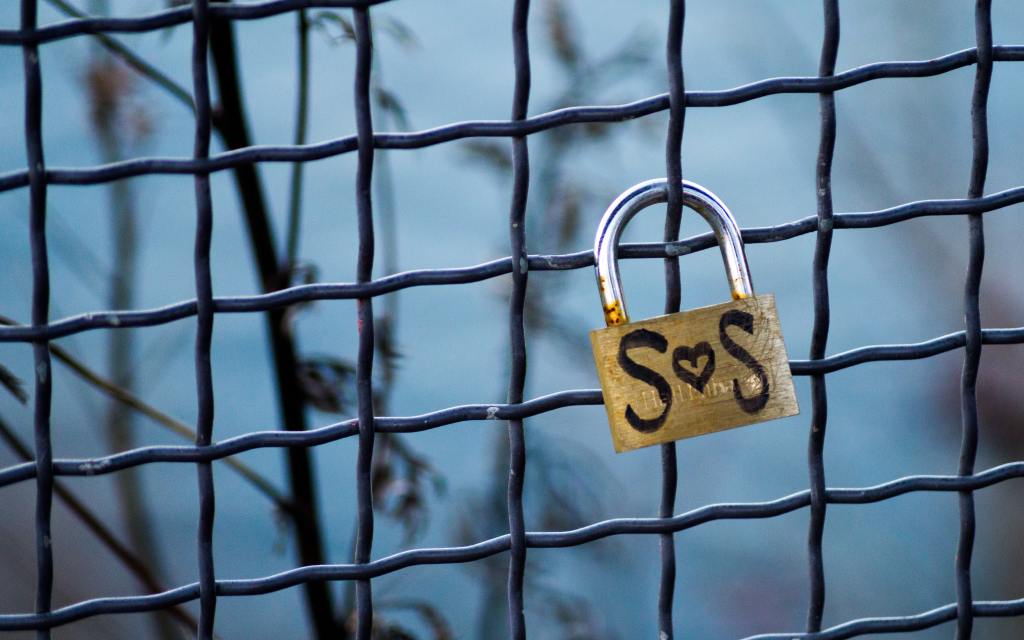
Another thought that keeps resonating for me is the impact of setting boundaries. As a society, we’ve debated using a border wall as a means of preventing some illegal immigrants from entering the US and engaged in overt and covert tribal wars based upon race, class and sexual orientation. Now we are being encouraged to practice “social distancing” and advised to self quarantine, especially if symptoms develop, due to COVID-19. It is hard to not adhere to this recommendation since the virus is transmitted from person to person but it also exposes just how quickly we are willing to “break bad” from each other in states of emotional panic. Boundaries can establish walls, potentially being both positive and negative, depending on the circumstances and usage.
amol-tyagi-oWCRhqB34VE-unsplash
Surprisingly, COVID-19 has unveiled some interesting human character traits within our society. For example, some have never actually spent extensive time alone and learned to self regulate without needing outside energy. Social isolation will present a very difficult challenge for them. Setting personal boundaries can also create issues depending on with whom one is isolated. Will you open the door to toxic relationships, quarantining and chilling, even though they are energetically like a virus too? There are even some who have had so much energy drained (due to work or relationships) that withdrawing socially can feel comforting. So what will you do during this “self isolation” period? Perhaps watch endless news reels discussing the virus and its impact, use the time to home school your children or work on new projects? Maybe everyone will retreat in total fear – – alone – – no human contact – – with limited support or fellowship?
Tribes still formed even in the movie Bird Box. How will we respond as a collective?
Regardless of your personal choices, it can still bring solace to remember that this too shall pass – – eventually. Take appropriate action, be safe and remember there are boundary limits to one’s control over any situation. In other words, let go and let ________ (fill in the blank). This circumstance requires a “breaking bad” mentality but in a positive vibrational way by resisting the urge to move towards absolute isolation and embracing fear. Help a neighbor if you can. Share resources with those who need it. Maintain gratitude and peace of mind even within this crisis. Practice social distancing and still keep toxicity out (better to be healthy in mind, body and spirit than drained of your energy). Meditate, pray, sing, dance, paint or exercise etc. Make something happen vibrating positivity. The boundary line will change. Be ready.
New legislation, called The Crown Act, has been written to protect people of African decent from discrimination, due to their personal choice of hairstyle. This effort has been long overdue, especially since our worldwide, societal indoctrination has explicitly implied that African hair is undesirable. With the emergence of the natural hair movement, many Black Americans have decided to select natural styles, instead of choosing hair procedures to alter and straighten their hair, which has been viewed as the more acceptable and beautiful representation of hair options. As more individuals are choosing to rock their natural hair and its vast selection of styles, others are still judging the looks as being undesirable and penalizing the wearer in the workplace. Why is this so?
The negative perception of natural African hairstyles has a long and complicated history. It is as tumultuous as its wearers’ existence. Thick, coarse, resilient and sometimes unruly, African hair stunned early white colonizers around the globe. These groups viewed black, tightly curled hair as being unmanageable and unappealing. Jokes and negative imagery soon followed as a way of degrading those who possessed this type of hair texture. Not every person of African decent, however, has course, curly hair. The African gene pool possess the most diverse DNA molecules of any human on the planet. Consequently, some also carry different hair textures and colors ranging from course to fine, curly to straight, and even naturally blonde (check out the people from the Polynesian islands). Many mixed race or multicultural individuals acquired a more “desirable” hair texture via slave rape, interracial breeding and modern day marriages.
The interesting thing about the perception of African hair is the reaction it causes for some. It can instantly create a “fire storm” of curiosity or negativity within the dominant white culture who, generally, believe their hair texture is the most beautiful. Their worldwide propaganda campaign depicted natural African hair as nappy, ugly and not beautiful. Everyone believed this as truth (even those who possessed it). Yet it should be noted that African hair has an adaptability, unmatched by other hair textures. It’s genetic purpose was to provide protection for its owners living in extremely hot, sun rich climates.
I remember being about seven years old when I first understood the African hair versus value connection. There was a tribe of grandchildren at Grandma’s house for the summer. Nothing excited me more than being with my extended southern family. Free as a little country girl, I enjoyed the fresh air, trees, dirt roads, fire flies and peach trees all around. It provided a sense of home for this child growing up in the concrete jungle. While we played in the front yard, members of my family were talking about us children – – our physical attributes and accomplishments. I heard some saying my sister was pretty (which she most definitely was), one of my cousins was really smart and elegant (teacher in the making), one of my male cousins looked just like his daddy (handsome as Billy D), and when it came to me “I was pretty for a black girl” with the qualifier. “Thank God she got good hair.” I remember hearing those words and feeling hurt. It felt like a back handed insult, and my little heart ached with shame. I internalized something very damaging to my psyche after hearing these words, repeatedly, throughout my childhood. I learned that it was not ok for ME to be ME.
My familial story is not uncommon among people of African decent, globally. Due to our world-wide societal indoctrination, people of African descent have internalized the racist views and beliefs about self-identity and value and have perpetuated many of these ideas within our own families. We learned to unconsciously accept that being “Black” was not beautiful, especially if one has darker skin and more pronounced features i.e. kinky hair, big lips, or noses. Black people learned that looking more like individuals of the dominate white culture has privileges (meaning the more one assimilates even in physical attributes, the more one is accepted in the dominate culture). This acceptance allowed Blacks to gain more access to opportunities in society. Many did not understand that self-denial often results in a diminished or lost connection to one’s own divine, authentic self.
Whether a person chooses to wear a natural African hairstyle or straighten their hair, should have no bearing on your value or importance in society. After all, hair is hair. It represents the specific genetics of an individual, which inherently will be diverse. However, your hair is not the divine YOU. It can in no way provide a full resume of who you are and your capabilities. Anyone making negative connections is operating within their own “shadow self” (personal preferences and prejudice). They ultimately have some splainin to do.
At a minimum, people of African descent, embracing their God given hair texture, is no reflection on anyone. It is a personal choice, representing one’s identity, self-expression, self-love and preference. It is an acknowledgement that African hair is beautiful, too! Period.
Afro Puffs, Cornrows, Braids, Dreadlocks, A to C Hair Types (Kinky, Coily, Curly, Wavy), Straight, Twists… It’s all good hair.
Something’s been said! I am a newbie internet blogger. Can’t you tell?
My content is sometimes longer than is traditionally recommended. It is often redundant and wordy …. at least my trusted, tribe editor tells me. I don’t have millions of followers (trying to get handle on SEO). No one has called me out as a resource. “Ava DuVernay or Oprah … call me ladies. We have some splainin to do together.” And, I’ve made some mistakes and typos along the way.
Notice these flaws and concentrate on my superficial errors if it pleases you to do so. I won’t be offended or take your comments personally. My invisible boundaries are solid. But if this is all that you see, you are missing the point and the real substance and intention of this website.
“I have opened myself now and accepted it, finally, that this is all of me. All sides make up what I am, and either I live with it or I die with it. — whether I like it or not.”
GRACE JONES Slave to the Rhythm
Dig deeper and perhaps you’ll find the keys to help you navigate this journey called life. Failure is just as inevitable as success at some point. It is not whether you will have trials or fail, it is what you will do with the pragmatic lessons along the way. How will you grow, change, and evolve so that you do things better next time (if you choose to do so)?
So forgive any typos or writing errors you see. I am divinely human. Perfect in my imperfection. Watch and wait for me to get better.
The MSNBC Hardball host, Chris Matthews, abruptly resigned recently on air after several controversies. Everyone was shocked, including me, who had avidly watched the show for years. He complimented a guest on her looks, making somewhat suggestive comments that left the her feeling violated. It should be noted that he never touched or physically harassed the guest, but in the new era of ME TOO, everyone has to be careful about comments made to women that can seem too flirtatious or sexual in nature. Perhaps the Matthews resignation was a preemptive public relations chess move to squash the current and past sexual harassment allegations at NBC as well. This incident also led me to think more about the issues related to sexual harassment, abuse and a woman’s right to be treated with respect and dignity.
Let me start by saying that we all have personal boundaries that represent who we are and what we are willing, or not willing to accept in terms of the way others treat us. The ME TOO movement has been important because it has helped to empower women who have been sexually victimized and/or harassed to fight back and demand accountability from the those who have taken their power and ability to choose what is best for them. Victims of sexual abuse should be supported. If proven guilty, abusers should be held responsible to the fullest extent of the law. Sexual abuse is a deep soul violation that results in physical, psychological and emotional damage to victims, who often already question themselves in the process. The path to healing is possible with a willingness to face the pain, shame and guilt. It also takes courage to fight back – – to continue living one’s life to the fullest. The emotional scars, however, often remain.
The effect of sexual abuse is a particularly sensitive issue for me to write about, having heard a thing or two within my own extended clan related to this subject. The repercussions are devastating. Some victims still carry the anger, guilt and shame. Their scars never fully heal, leaving behind a seemingly altered divine self. My heart aches for them, knowing that the journey to healing is often a lonely, difficult path. I have also met others who went through the healing process. My heart aches for them too, knowing how difficult it must have been to successfully make the lonely, journey to move forward. Some still hold a sadness that can be detected, ever so slightly, when sharing their experience. Their divine self is altered too (sometimes made even stronger as survivors). It is the helplessness that connects my soul to them. I also have stories to tell but most of them are not mine to share. However, the bravery of these women and men to come forward to share their experiences cannot be overstated.
The following comments should, in no way, negate my support for women in the ME TOO movement, but truthful evaluation also requires objectivity and balance.
Since we are sexual, relational beings (it’s in our DNA as humans), there are nuances to this topic as well. From the time a young girl reaches puberty, she becomes acutely aware of her budding sexuality and its impact on others of interest. I sure did, and still do love and appreciate positive attention and affirmations. We also learn very quickly how to set boundaries (deflect or defuse advances from unwanted suitors, volley back and forth, call time out or foul, and slam dunk as it pleases us to do so). Beauty is power in this world. We all know it and must be honest about our cultural obsession with placing a lot of value on outer appearance instead of one’s character. The revenue generated in the beauty industry, alone, should prove our culture’s desire be noticed. Yet, desiring admiration does not mean that one wants to be violated or forced to act in ways that cross personal boundaries. Once again, boundaries tell others what you will and won’t accept, not just in romantic relationships, but all relationships almost like one’s personal business card.
Some women are willing to adjust their boundaries to obtain a goal or position. In the case of Harvey Weinstein, a powerful hollywood producer, the numerous accusations against him ranged from rape to sexual coercion in the work place. Some of the actresses made hotel room business visits in the hopes of landing an acting role. Most women are acutely aware of situations that might make them vulnerable, yet the desire to reach a goal can cause one to suspend better judgement. It also wouldn’t be fair not to mention that some women are willing to play the “casting couch” game (look it up if you don’t understand) to achieve their goals. It takes two to tango. How many of these women never come forward, not wanting to go down the rabbit hole, especially if they received some type of career gain? Generally, most woman never consider crossing these personal boundaries, but get stuck anyway – – enduring sexual harassment due to financial reasons. They also know that standing up for oneself can lead to a failed career. Even in this case of a super predator, it still comes down to solid boundaries. The Weinstein accusers ultimately received justice in court. This is not always the outcome.
Chris Matthews was no Weinstein, but even he was forced to reevaluate his own “boundarylines” and understand what some women are willing to accept from men. “It just got real!” said some of my male tribe members. As humans, we are sexual, relational beings in general. If you agree, is flirting allowed anymore in the era of ME TOO? When, what and with whom is it ok? Women and young girls have been objectified sexually since the beginning of time, and we have also continued to participate in this limited portrayal of womanhood (for example check out the women in music videos, runway shows, on spring break and in nightclubs across the globe, etc.). I have also expressed my femininity in a sexualized way when it suited me. One should not forget that boys and men can be victimized too. Our societal expectations for appropriate relational behavior is being challenged during the ME TOO era. There are clear rule breakers for sure i.e. children are off limits, rape, sexual harassment etc., but there could also be “blurred lines” yet to be defined. Stay alert and get the new “memo” no matter your gender! Your life, safety, and reputation might depend on it.
A recent New York Times article, “F.I.T. Model Refuses to Wear “Clearly Racist Accessories,” triggered a discussion within my tribe. Most were outraged over the overt visual accessories used in the fashion show using oversized red lips and humongous monkey ears. It was noted that a black model in the show expressed concern over the imagery, as it appeared racist, making her feel extremely uncomfortable in its derogatory portrayal and historical association with black people. Throughout history, racists around the globe have chosen to characterize blacks of African decent as monkeys and used this connection to degrade and mock individuals representing this heritage. I could clearly understand the reason for the recent outrage since the visual image resembled the long list of historical and more current condescending insults and depictions.
#IJHTMYT
I also had another more unexpected visceral reaction to the article. I personally felt no deep anger or hurt over the imagery even though I know the historical usage and hurtful intention. In the words of the great Noraimo, “I feel no ways about it.” Why, you may ask? Spiritual leaders and others have taught that each of us can determine when to be offended. In this case, I was not offended because I know who I am and what I am not. The monkey image does not resonate for me but it does say something about the people who choose to, consciously or unconsciously, reference this image historically degrading to an entire race of people. The individuals who use this image to attack have some “splainin” to do in terms of understanding their own psychosis. Clearly “something has been said“ but this is not my problem nor is it the problem of the people being called or affiliated with the monkey imagery.
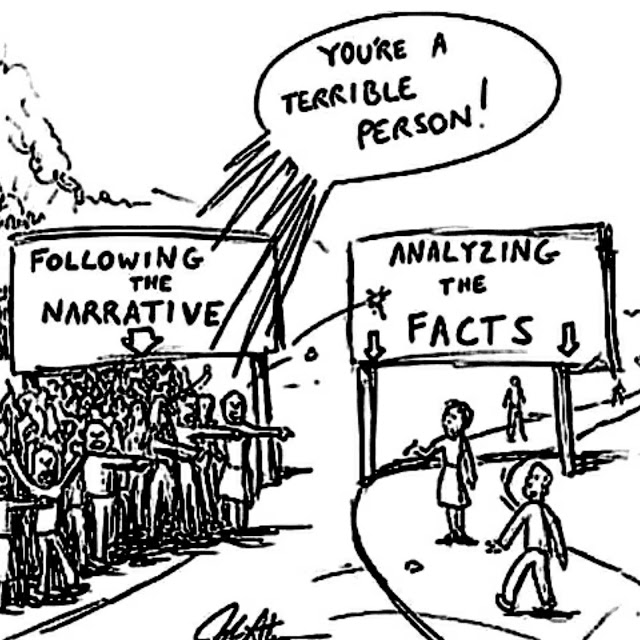
CHANGE or REWRITE the NARRATIVE
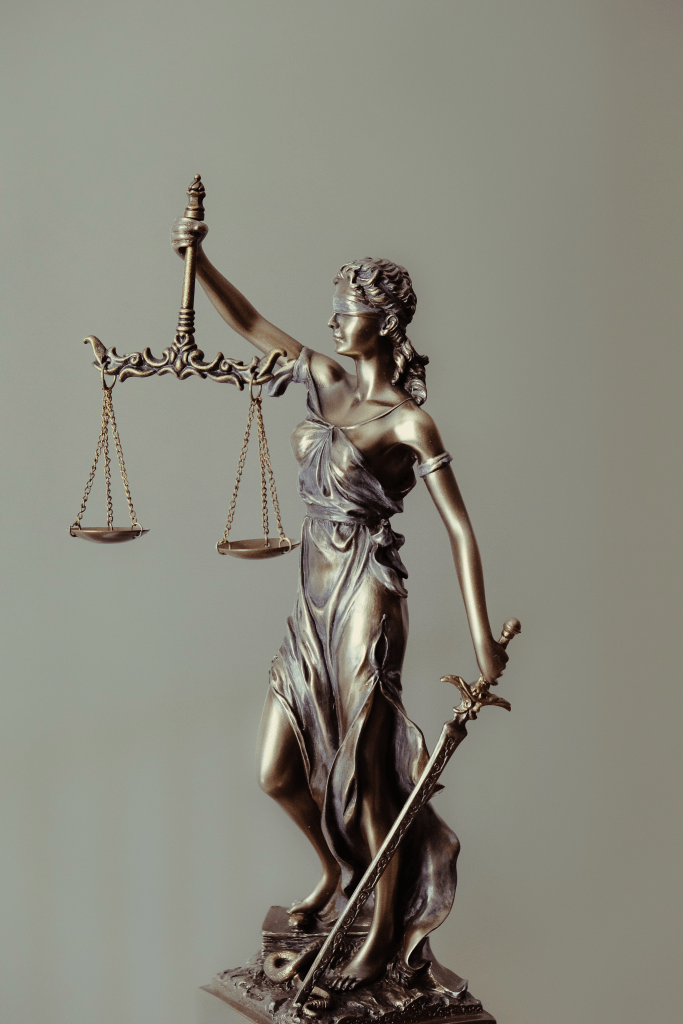
The universal, divine laws of JUSTICE will prevail in the end.
+++K-A-R-M-A+++
Perhaps if the individuals being insulted could not get triggered (remove the inner hurt, anger or shame that has been unconsciously internalized), this issue might go away. Weird thing to say so let me explain. People (particularly bullies) like to attack where you are the weakest, most vulnerable and to cause a reaction. No one can insult you if the problem is not yours, there is no internal wounding being triggered, or if you do not identify with the insult. When a toxic person can no longer control you, their last resort will be to try to control how others see you. This misinformation will feel unfair, but stay above it, trusting that other people will eventually see the trUth – – and you already know the trUth. Everyone must still call out the ridiculous association as being wrong, but please leave the insult and shame on the doorstep where it truly belongs. Remember the old polish saying “Not My Circus, Not My Monkeys.”
“What Are Boundaries?Boundaries are guidelines, rules or limits that a person creates to identify for themselves what are reasonable, safe and permissible ways for other people to behave around them and how they will respond when someone steps outside.”
We all have boundaries, some spoken and many unspoken, that act as our signature “this is who I am” business cards, laying out our needs, expectations as well as potential side effects (consequences) if violated. Our personal boundaries are first formed within one’s own culture, moral code, ethical standards, evolving life experiences, and societal norms. They allow individuals to define who and what he or she is willing to do and accept in terms of treatment from others. One must be very careful to not assume another feels or behaves the way you do. To act only according to how you feel in a situation could result is a gross injustice. Crossing another’s personal boundaries can be a terrible violation of the human spirit depending on one’s actions and intentions.
Healthy boundaries often indicate the degree of personal regard and self respect for oneself and others. Unhealthy, nonexistent, or even poor boundaries can cause enormous emotional pain leading to depression, anxiety, co-dependency etc. and leave oneself open to unimaginable physical or emotional damage. All humans are imperfect beings and not everyone will have your best interest in mind. Serial predators really do exist. One must be very careful to read the “tea” leaves since some societal boundaries and norms can change over time. Throughout the world, humans collectively strive to adhere to social expectations for healthy, relational balance. Many believe that treating people the way you would want to be treated is a great starting point. But perhaps we should also incorporate treating people according to what their boundaries dictate. The end result could cause a tidal wave of basic human R_E_S_P_E_C_T.
Who develops the curriculum we currently use in our modern educational system?Why do you hold certain beliefs about what it means to be you, as an American – – your racial identity, or gender roles, etc. In realty, our educational and familial indoctrinations systems teach us, fundamentally, who we are as citizens. We are also programmed via the entertainment industry including: movies, music, internet and other media. If one can agree to these facts you might ask “what, if anything, is wrong with this occurring”. After all, it is a primary goal of any modern, civilized society to educate its populous so that it is able to thrive, globally in the world market. It is assumed and has been proven that the more literate a population, the more advanced and powerful it often becomes.
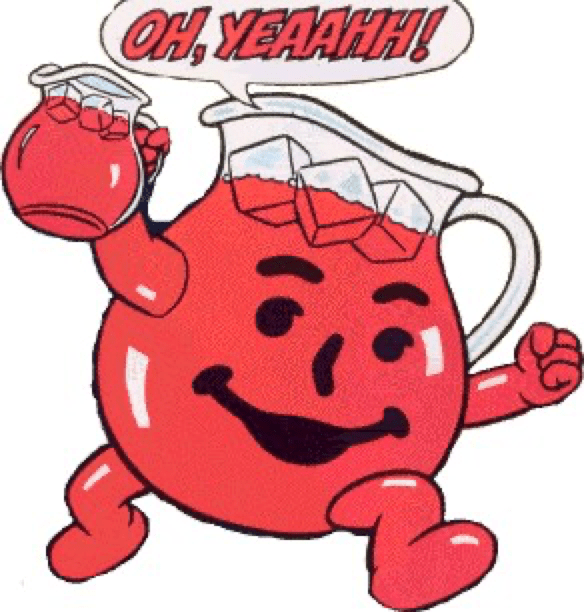
Oddly enough, most of us never question the accuracy of the programming we receive but we should do exactly that. The modern educational, familial, and cultural systems can sometimes skew, distort or only provide partial facts related to our individual and collective identity, as well as our past history – – perpetuating a gross misinformation campaign. In the book, Lies My Teacher Told Me by Dr. James Loewen, the author describes specific events in history that we continue to teach in schools that are not factually true. For example, we still depict the aboriginal natives of the Americas as savages who needed outside help for survival, while not describing early American settlers as immigrants. Even in many celebratory holidays, we place the emphasis on the smallest, positive aspects of its cultural relevance while omitting its more complicated historical roots. As a result, many in this society grow up “drinking the kool aid” – – believing half-truths and even lies about their ancestors and brethren creating long lasting divisions.
*
Indoctrination can be described as “drinking the kool aid” (blindly accepting and “swallowing” some philosophy or someone else’s direction without critically thinking for oneself).
*
In addition, the modern educational system has held within its vast walls another agenda called the “Hidden Curriculum.” This curriculum goes beyond the basics of reading, writing and academic learning to lessons about what it means to be a human being. Students receive lessons about teamwork, following orders, how to get along with others and how to succeed. School hallways display endless quotes and mantras about the greatness of the human spirit and its ability to rise above most circumstances but the importance of individuality and thinking for one’s self is not highly stressed. They even teach lessons on personal character, especially in sports where children are encouraged to utilize their talents to the fullest. In reality, life is not always just and fair. Most will experience disappointment, hardship or loss at some point. Privilege does exist in many forms and some will not be able to catch up to those who already have the winning advantage. Yet, we still propose these platitudes and instill in children that everyone is a winner or #1 in a world where there are also other scores. It should be noted that being #1 does not determine your destiny anymore than not achieving this goal. Our current world has been based upon the idea of there being a working class of people who provide the labor to fuel society for the few who may reap the financial benefits. The rich keep getting richer while the poor remain stagnant, allowing for the current economic divide (the haves and the have nots). We sell the dream that everyone can make it (and many do) but sometimes hopes and dreams are lost.
We have also been taught through our spiritual and religious teachings that humans are here to procreate. It is assumed that because one has the ability to procreate, it means that you are also healthy in mind, body, spirit and equipped to become parents. Parenting is not just being a caregiver to children, which is extremely important. Parents are also the first teachers – – particularly women, whose job is to attune to their children and give them a sense of belonging, safety, love and self identity. This foundation is crucial for any child’s emotional and psychological development. It also helps establish the foundation from which all children grow into adulthood. But what happens to a child’s emotional, physical, and spiritual development if parents are suffering from mental illness, alcoholism, or abusive, etc? What if the parents have a distorted moral compass? Or worse, none at all? As a society, we have not infringed upon the human right to procreate by instituting and regulating a sort of “parental fitness test” but we should at the very least acknowledge that children are not guaranteed the same advantages at birth. A person’s birthright depends on the family unit one is born into. Whether it is well adjusted, economically privileged, literate and race etc. Society can not regulate the morals, values, and traditional thought introduced to these young minds. I definitely would not advocate governmental interference in one’s rights to procreate, nor on a parent’s right to rear their child as they deem appropriate. At a minimum, however, perhaps we should collectively change the narrative by creating a cultural environment where we formally recognize the challenges of parenting and offer concrete support. Many could benefit across racial, socioeconomic, and religious affiliations.
Finally, the entertainment industry and celebrities have been great influencers in terms of our cultural identity and position in the world. Whomever controls this massive propaganda machine can often dictate what we collectively think about ourselves and each other. Whether it is via mass media, fashion, music or some other source, these iconic industries have the ability to influence and shape the perceptions, norms, and actions of millions of children without explicitly stating the obvious. The only question that remains is whether we, as as a society, agree with the content and messages. Does it support the masses for the highest good of everyone. Or, is it leading us astray? Our culture is more materialistic and narcissistic than ever, placing issues of character and integrity as outdated personal goals for the masses. At times our religious institutions, who seemingly hold the moral authority within or society, have faltered in its unwillingness to uphold its fundamental principles, especially as it relates to brotherly love. It not surprising that our society elevates certain pop culture norms (facebook, snapchat, twitter, instagram, etc.) as the means to express ourselves to the point of presenting hateful speech, false images, and misinformation without accountability or just for “likes.” Direct human interaction is diminishing as we become less tolerant, compassionate, and emotionally available for authentic relationships.
Potentially, there is no turning back from the three vast indoctrination systems we have willingly embraced. I only wish that we would occasionally question what we accept as the norm and maybe relook, rethink, reevaluate what we are accepting. To question one’s perceptions and information is to be a fully “woke” human. You get to decide what is truth for you and your family. Lies can’t exist as long as the facts don’t support them. We can change many perceptions and our current national tribalism to establish a more accurate narrative of what we have been, who we are, and what we dream to be in the future as united people. No one needs to sugar coat or misrepresent our collective mistakes and triumphs. No need to whitewash information that forces us to remain fearful, shameful, or live with a false sense of superiority or inferiority. The idea that our journeys have been intertwined, perhaps destined for some greater purpose for the sake of humankind may seem like radical teaching but at least it offers a platform for authentic dialogue, debate and mutual understanding.
First, however, we must collectively identify where are the parasites and decide whether we want to continue feeding them. Who will hold the ultimate power over your mind?







 3ACTunveiled